
O Krishna, you instruct to renunciate from performing actions; and again, you instruct to perform such actions with devotion; therefore, tell me decisively which is better of these.
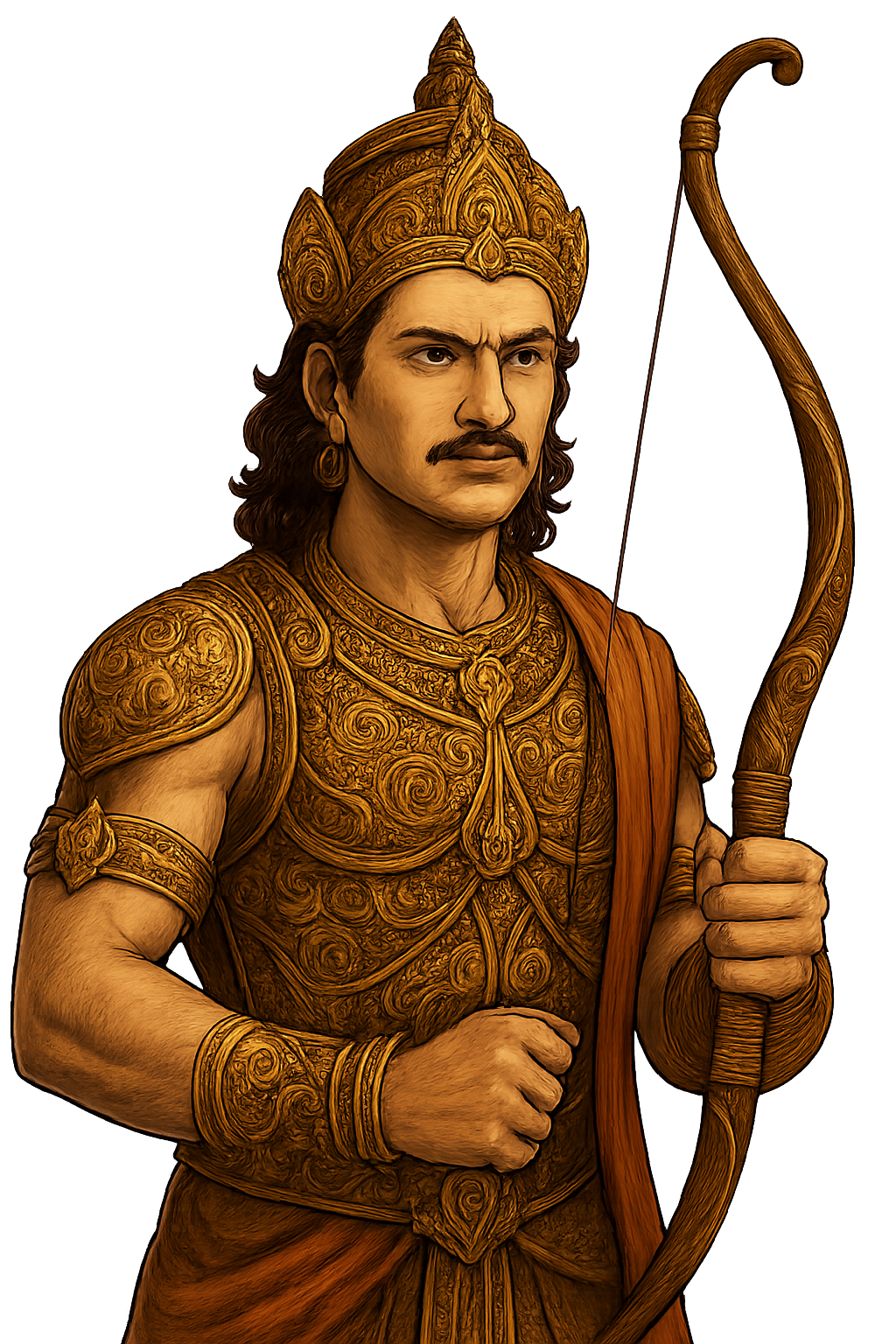
Shloka : 1 / 29
Arjuna
♈
Rasi
Capricorn
✨
Nakshatra
Uttara Ashadha
🟣
Graha
Saturn
⚕️
Life domains
Career/Profession, Family, Dharma/Values
In this Bhagavad Gita verse, Arjuna expresses his confusion, as Krishna advises him to refrain from actions while simultaneously instructing him to perform them with devotion. From an astrological perspective, the Uttara Ashadha Nakshatra in Capricorn plays a significant role along with the planet Saturn. Capricorn generally reflects hard work and responsibility. The Uttara Ashadha Nakshatra provides the ability to plan and execute actions. The planet Saturn emphasizes a sense of responsibility and long-term vision. In the life domains of profession, family, and Dharma/values, it is essential to perform actions with devotion. In business, carry out duties mindfully; this leads to long-term success. In family, respect relationships and act responsibly. To adhere to Dharma and values, one must engage in selfless work. Thus, by following the teachings of the Bhagavad Gita in life, spiritual progress can be attained.
At the beginning of this chapter, Arjuna expresses his confusion to Krishna. Krishna advises him to avoid actions and also to perform them with devotion. Arjuna is unsure which path is better. Krishna provides a solution to the confusion between renunciation or Karma Yoga. He states that it is not necessary to avoid actions; instead, one should maintain a sense of devotion while performing duties. This indicates that both paths are similar. He explains the common truths between renunciation and Karma Yoga.
In this section, Krishna elucidates the principles of Vedanta. If one sees renunciation of actions as superior, it is essential to eliminate the sense of selfishness that arises from it. However, in Karma Yoga, performing actions with devotion serves as a path to complete spiritual growth. The commonality in both is the purification of the mind and selfless action. According to Vedanta philosophy, it is important to perform actions not for oneself but for the welfare of the world. Through this, spiritual progress can be achieved. Ultimately, the goal should be Moksha or Paramapada. Therefore, one must learn the art of performing actions without being attached to them, while also renouncing them.
In today's context, achieving a healthy balance is crucial. For family welfare, time should be spent with family members, strengthening relationships. In work or profession, duties should be performed with a mindful sense of purpose, which can help excel in work. Healthy eating habits are essential for longevity, and physical exercise is also necessary. Parents should recognize their responsibilities and focus on their well-being. Economic planning is essential to reduce debt or EMI pressure. Time should be spent meaningfully without wasting it on social media. Health and long-term thoughts provide mental peace. Acting for the welfare of the world aids in achieving spiritual progress. Thus, following the wisdom of the Bhagavad Gita in our actions can transform our lives positively.
Bhagavat Gita commentaries are AI generated; they may contain errors.