
When the person, who passes away during the fog times, during night times, during the darkest fortnight of the moon times and during the six months of the winter, will attain the light of the moon; and, he will return back.
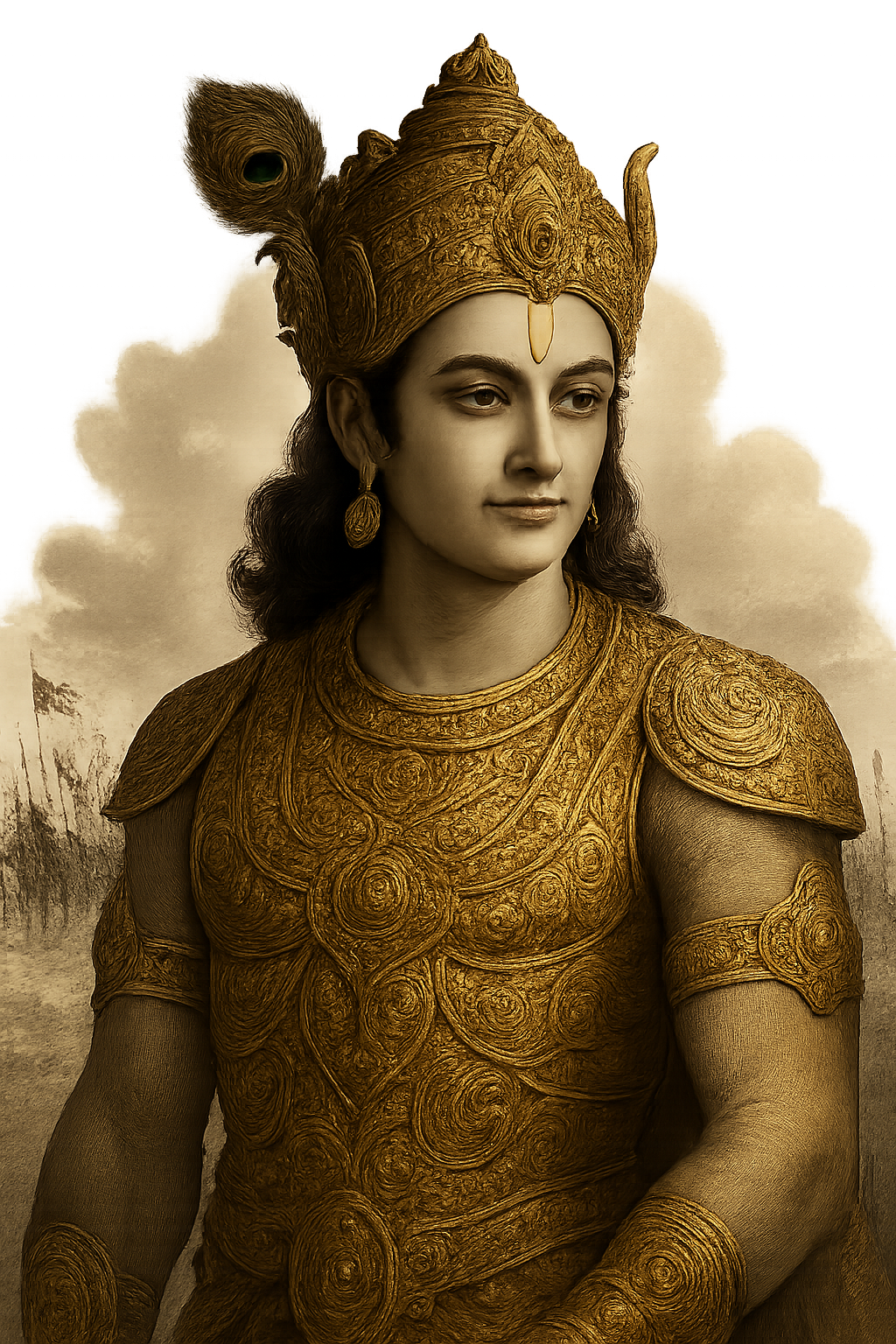
Shloka : 25 / 28
Bhagavan Sri Krishna
♈
Rasi
Capricorn
✨
Nakshatra
Uttara Ashadha
🟣
Graha
Saturn
⚕️
Life domains
Family, Health, Longevity
In this Bhagavad Gita verse, Lord Krishna explains the journey of the soul at the time of death. Those with Capricorn as their rasi and Uttiradam as their nakshatra are under the influence of Saturn. Saturn can reflect self-discipline and patience. It is essential for maintaining peace and unity in the family. To achieve health and longevity, we must adhere to disciplined and orderly habits in our lifestyle. The Saturn planet fosters a sense of responsibility in our actions, which aids family welfare and health. Additionally, to attain longevity, it is necessary to bring reforms in our eating habits. This verse encourages our spiritual growth and helps purify our karmas to achieve completeness. Therefore, it is important to maintain close relationships with our family and adhere to a healthy lifestyle. With the blessings of Saturn, our efforts to achieve longevity will be successful.
In this verse, Lord Krishna explains the time of death and the path that a man experiences thereafter. It is said that a person who dies during times of ignorance, at night, in the dark phase of the Moon, and in winter, waits for his soul to reach 'Chandraloka'. This is related to his karma and the good deeds he has performed. It is mentioned that such a person is reborn. This indicates that his soul has not yet attained completeness. Therefore, this verse emphasizes the need for a person to cultivate his wisdom.
This verse reveals the fundamental concepts of Vedanta, particularly the psychological explanations regarding the soul and the state of completeness. The principle of Sarvadhikaranam means that a man's karma determines the movement of his spirit. This implies that only by purifying his karma can a man attain liberation. If his soul is going to Chandraloka, it indicates that he is still bound by rebirths. The eternal freedom of the soul (moksha) is shown to be the ultimate goal for everyone. Here, Vedanta states that while the soul is always stable, it must enhance its consciousness and attain complete knowledge.
In today's context, this verse holds significance in various ways. Mental peace is crucial for family well-being, and spiritual practice can aid in achieving it. Aspects like career and money are essential parts of life, but they should be pursued carefully without disturbing our mental peace. A long life and healthy living keep us happy. Good eating habits are vital for physical health, and they also uplift our minds. Parents have the responsibility to care for their well-being. Debts or EMIs should be managed responsibly. Social media should be used wisely without wasting our time. Long-term thinking should always be part of our actions. All these can be ways to nurture our inner spirituality.
Bhagavat Gita commentaries are AI generated; they may contain errors.